
What Factors Influence Industrial Warehouse Rental Costs in Chicago?
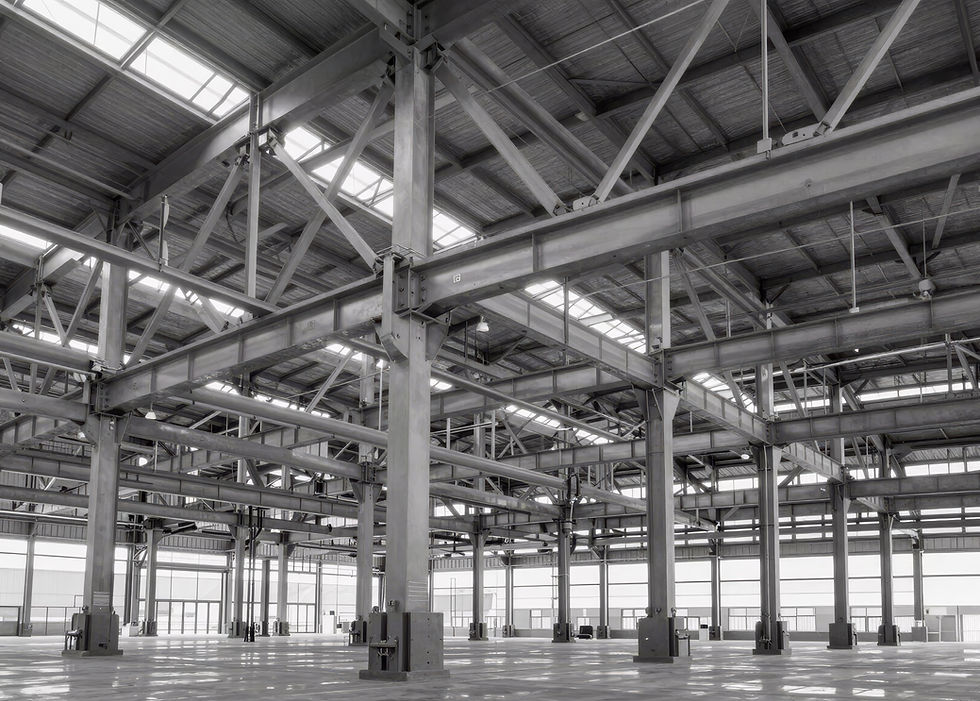
Two warehouses can sit just miles apart and still carry wildly different price tags, and it rarely comes down to luck. Rental costs are shaped by a web of practical factors most tenants never fully understand until the lease is already signed. If you're exploring industrial warehousing in Chicago, IL, knowing what actually drives these numbers puts you in a much stronger negotiating position. Keep reading, because the details ahead could save your business thousands over the life of a lease.
What Determines Industrial Warehouse Rental Pricing in the First Place?
Industrial Warehouse rental pricing reflects a combination of location, building specifications, market demand, and lease structure. It's rarely one single factor, but rather several variables working together to shape the final quoted rate.
Why Location Still Drives the Biggest Price Differences
● Proximity to major highways and rail lines matters significantly. Warehouses near interstate access or intermodal rail hubs command higher rents because they reduce transportation time and cost for tenants managing regular shipments.
● Distance from downtown Chicago affects pricing directly. Properties closer to the city center often carry premium rates due to demand and accessibility, while outlying submarkets typically offer more competitive, budget-friendly options.
● Proximity to O'Hare and major distribution corridors adds value. Businesses relying on fast fulfillment or air freight often pay more for warehouses positioned near these critical logistics points, viewing it as an operational necessity rather than a luxury.
Building Characteristics That Shift the Price Tag
Clear Height and Ceiling Specifications
Taller clear heights allow for higher stacking and better storage efficiency, making these buildings more valuable to tenants needing vertical space. Warehouses with lower ceilings often rent for noticeably less.
Loading Dock Availability and Configuration
The number and type of loading docks affects operational efficiency. Buildings with ample dock doors and drive-in access typically command higher rents, especially for tenants running high-volume distribution operations.
Building Age and Overall Condition
Newer or recently renovated warehouses often justify higher rates through improved insulation, updated electrical systems, and better structural integrity. Older buildings may offer savings but sometimes require additional maintenance considerations.
Square Footage and Floor Plan Flexibility
Larger spaces don't always mean proportionally higher costs, since per-square-foot rates can actually decrease with size. Flexible layouts that accommodate various operational needs also add measurable value for tenants.
Market Forces That Push Prices Up or Down
Supply and Demand Within Chicago's Industrial Market
When available warehouse space shrinks relative to demand, landlords naturally push rates higher. Understanding current vacancy trends in your target submarket helps set realistic expectations before you start negotiating.
Economic Activity and E-Commerce Growth
Rising e-commerce fulfillment needs have increased demand for strategically located warehouses across Chicago. This sustained demand keeps competition high, particularly for properties suited to last-mile distribution operations.
Seasonal Leasing Patterns
Certain times of year see increased warehouse demand, particularly ahead of peak retail seasons. Timing your search outside these high-demand windows can sometimes lead to more favorable negotiating conditions.
Lease Structure Details That Affect Your Total Cost
Understanding Triple Net Versus Gross Leases
Triple net leases require tenants to cover property taxes, insurance, and maintenance separately from base rent, while gross leases bundle these costs together. Knowing which structure you're signing changes your actual total expense significantly.
Lease Length and Renewal Terms
Longer lease commitments sometimes secure better rates, since landlords value stability. However, shorter terms offer flexibility for growing businesses uncertain about long-term space requirements or expansion plans.
Additional Costs Tenants Often Overlook
Utility and Operating Expense Variations
Beyond base rent, utility costs and shared operating expenses can add up quickly, especially in larger facilities. Always request a detailed breakdown before comparing properties purely on advertised rental rates.
Improvement and Build-Out Costs
Customizing a space for specific operational needs, like installing racking systems or climate control, adds upfront expenses. Factor these costs into your overall budget rather than focusing solely on monthly rent.
Making Sense of It All Before You Sign
Rental costs for industrial warehousing in Chicago, IL rarely come down to a single factor. Location, building specs, market timing, and lease structure all work together, meaning informed tenants who understand these variables consistently negotiate smarter, more sustainable deals.
Frequently Asked Questions
Are warehouse rental rates in Chicago negotiable, or fairly fixed?
Rates are often negotiable, especially in submarkets with higher vacancy. Landlords may adjust terms, offer incentives, or provide flexibility depending on current market conditions.
Does warehouse location near O'Hare always guarantee higher costs?
Generally yes, due to strong logistics demand, though pricing still varies based on building condition, size, and specific submarket competition surrounding the airport corridor.
How does clear height actually affect my storage costs long-term?
Higher ceilings allow more vertical storage, potentially reducing your overall square footage needs, which can offset a higher per-square-foot rate over time.
Should I prioritize newer buildings over older, cheaper warehouse options?
It depends on operational needs. Newer buildings offer modern infrastructure, while older properties provide savings, provided maintenance and condition concerns are properly evaluated beforehand.


Comments